Raising Awareness for Autoimmune Skin Disorders
- skintimatedetailsl
- Jun 4
- 3 min read
Autoimmune skin disorders are often misunderstood and overlooked, yet they affect millions of people worldwide. These conditions arise when the immune system mistakenly attacks healthy skin cells, leading to a range of symptoms that can significantly impact a person's quality of life. In this blog post, we will explore various autoimmune skin disorders, their symptoms, treatment options, and the importance of raising awareness about these conditions.
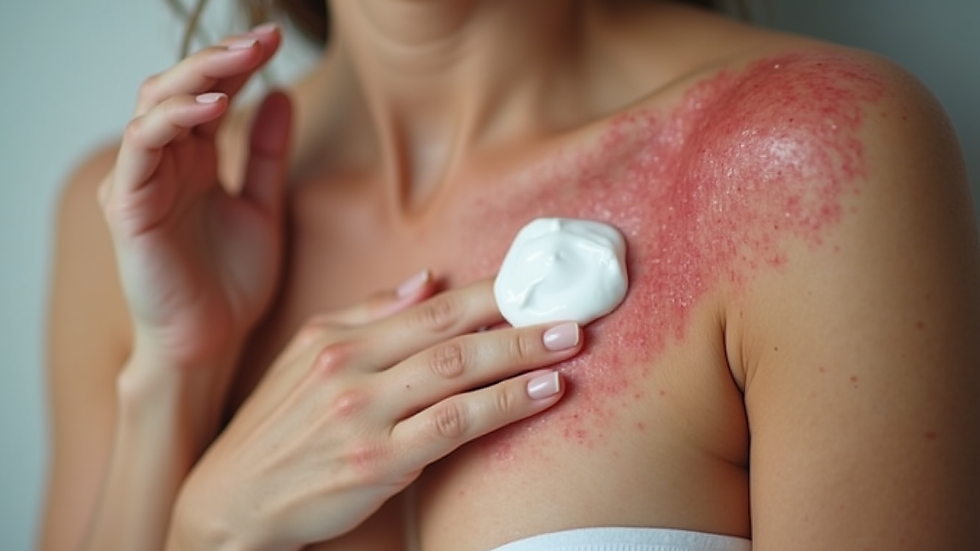
Understanding Autoimmune Skin Disorders
Autoimmune skin disorders encompass a variety of conditions, each with its unique symptoms and challenges. Some of the most common autoimmune skin disorders include:
Psoriasis: A chronic condition characterized by red, scaly patches on the skin. It occurs when the immune system speeds up the growth cycle of skin cells, leading to an accumulation of cells on the surface.
Lupus: This systemic autoimmune disease can affect the skin, causing a butterfly-shaped rash across the cheeks and nose. Lupus can also lead to skin lesions and increased sensitivity to sunlight.
Scleroderma: This disorder causes the skin to become thick and hard due to collagen buildup. It can also affect internal organs and blood vessels.
Dermatomyositis: Characterized by muscle weakness and a distinctive rash, this condition can lead to skin changes, including purple or red patches on the eyelids and face.
Symptoms of Autoimmune Skin Disorders
Symptoms can vary widely depending on the specific disorder, but common signs include:
Redness and Inflammation: Many autoimmune skin disorders present with red, inflamed patches of skin.
Itching and Pain: Patients often experience discomfort, which can range from mild itching to severe pain.
Scaling and Flaking: Conditions like psoriasis lead to noticeable scaling and flaking of the skin.
Changes in Skin Texture: Some disorders cause thickening or hardening of the skin.
The Importance of Early Diagnosis
Early diagnosis of autoimmune skin disorders is crucial for effective management. Many individuals may dismiss their symptoms or attribute them to other causes, leading to delays in treatment. If you notice persistent skin changes, it is essential to consult a healthcare professional.
Treatment Options
While there is no cure for autoimmune skin disorders, various treatment options can help manage symptoms and improve quality of life. These may include:
Topical Treatments: Creams and ointments can help reduce inflammation and soothe irritated skin.
Systemic Medications: In more severe cases, oral or injectable medications may be necessary to suppress the immune response.
Phototherapy: Controlled exposure to ultraviolet light can help reduce symptoms in some patients.
Lifestyle Changes: Stress management, a healthy diet, and regular exercise can also play a role in managing symptoms.
Raising Awareness
Raising awareness about autoimmune skin disorders is essential for several reasons:
Education: Many people are unaware of these conditions, leading to misunderstandings and stigma. Education can help dispel myths and encourage individuals to seek help.
Support: Increased awareness can lead to better support systems for those affected. Community support groups and online forums can provide valuable resources and connections.
Research Funding: Greater awareness can lead to increased funding for research, which is crucial for developing new treatments and understanding these disorders better.
How to Get Involved
There are several ways you can contribute to raising awareness about autoimmune skin disorders:
Share Your Story: Personal experiences can resonate with others and encourage them to seek help.
Participate in Awareness Campaigns: Join local or national campaigns aimed at educating the public about autoimmune skin disorders.
Advocate for Research: Support organizations that fund research into autoimmune diseases and their treatments.
The Role of Healthcare Professionals
Healthcare professionals play a critical role in raising awareness and providing support for patients with autoimmune skin disorders. They can:
Educate Patients: Providing clear information about symptoms, treatment options, and coping strategies can empower patients.
Encourage Early Diagnosis: By recognizing the signs of autoimmune skin disorders, healthcare providers can facilitate timely interventions.
Support Research Initiatives: Professionals can advocate for and participate in research efforts to improve understanding and treatment of these conditions.
Conclusion
Autoimmune skin disorders are complex and often misunderstood conditions that can significantly impact the lives of those affected. By raising awareness, we can foster a better understanding of these disorders, encourage early diagnosis, and support those in need. Whether through sharing personal stories, participating in awareness campaigns, or advocating for research, each of us can play a role in making a difference. Let’s work together to shine a light on autoimmune skin disorders and support those who live with them every day.


Comments